-
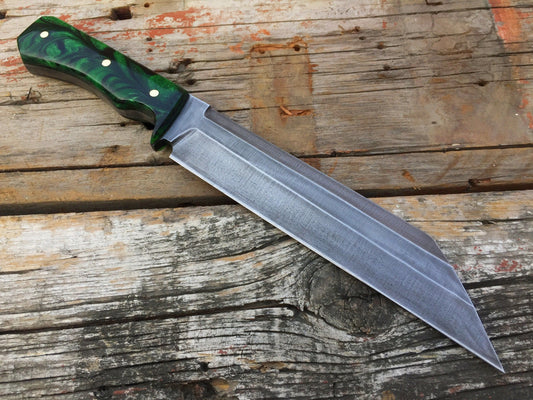
Custom Handmade Hand Forged 1095 Steel Viking Seax Knife with Rosewood Handle and Brass Guards - 12 inches by KBS Knives Store
Regular price $135.00 USDRegular price -
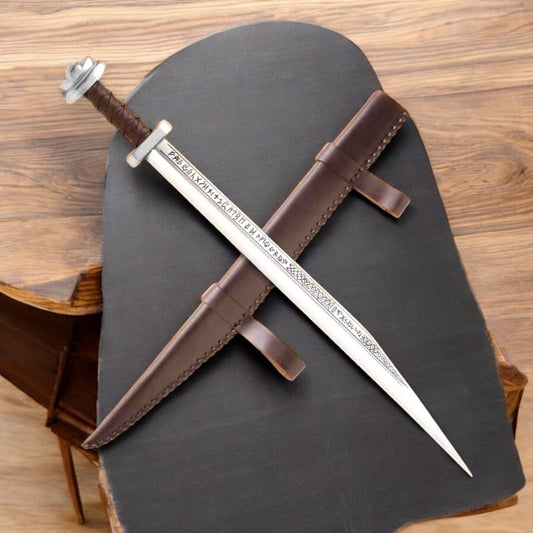
Custom Handmade Viking Seax for Sale with Leather Sheath
Regular price $150.00 USDRegular price -
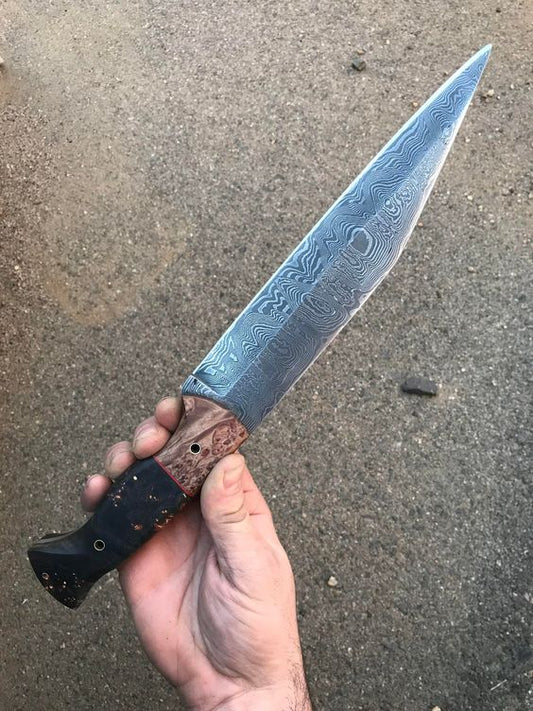
Handmade Damascus Steel Seax Knife – Viking Full Tang Fixed
Regular price $145.00 USDRegular price$160.00 USDSale price $145.00 USDSale -
Seax Blade with Engraved High-Carbon Steel & Rosewood Guard
Regular price $150.00 USDRegular price$175.00 USDSale price $150.00 USDSale -
Custom Handmade Hand Forged 1095 Steel Viking Seax Knife with Rosewood Handle and Brass Guards by KBS Knives Store
Regular price $135.00 USDRegular price -
Custom Handmade Seax Viking Knife with Leather Sheath
Regular price $135.00 USDRegular price$150.00 USDSale price $135.00 USDSale -
Custom Handmade Viking Seax – 26" Engraved 440C Steel Blade
Regular price $300.00 USDRegular price -
Custom Handmade Viking Seax with Leather Sheath
Regular price $130.00 USDRegular price$145.00 USDSale price $130.00 USDSale -
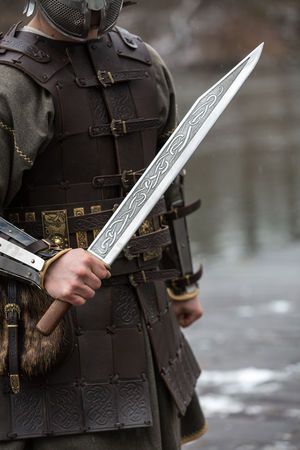
Custom Handmade Viking Seax Knife with Leather Sheath
Regular price $250.00 USDRegular price$300.00 USDSale price $250.00 USDSale

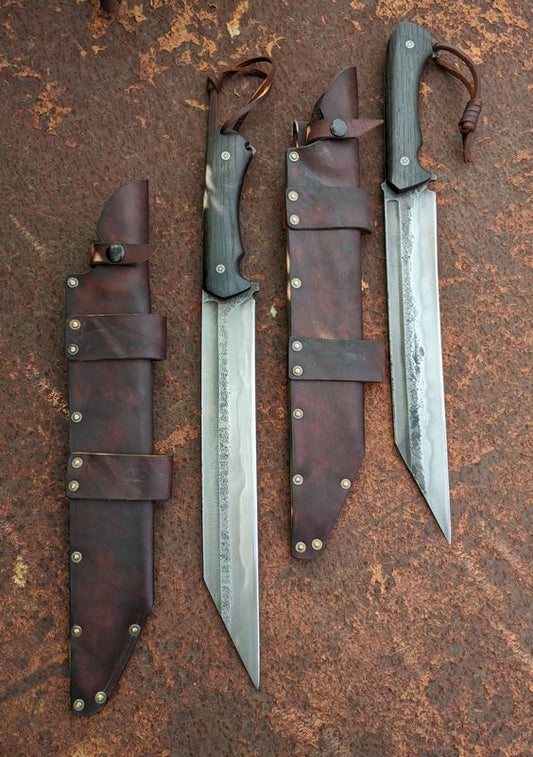
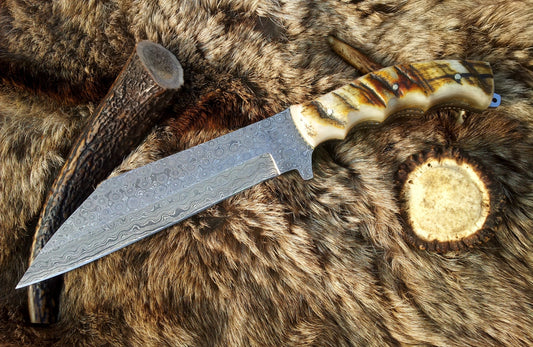
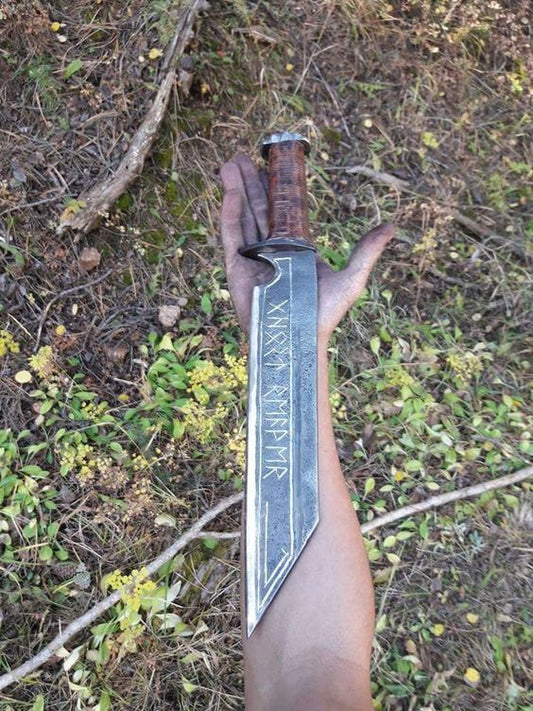

Viking Seax vs. Seax Knife
The terms are closely related, but they can describe slightly different things depending on the product and historical context.
A seax knife generally refers to the single-edged blade form itself. A Viking seax usually emphasizes a Viking-inspired or Norse historical aesthetic.
When choosing a modern reproduction or handmade seax, look beyond the name. Pay attention to the actual blade profile, dimensions, steel, handle construction, sheath, and product description.
Different Types of Seax Blades
Seax designs can differ significantly in size and shape. Common terms you may encounter include:
Short Seax
A shorter seax is compact and emphasizes the practical knife characteristics of the traditional design. These models can be attractive choices for collectors and historical enthusiasts who prefer a smaller blade.
Long Seax
A long seax, sometimes referred to as a langseax, has a longer blade and a more substantial appearance. Compare the actual dimensions of each product because terminology can vary between modern reproductions.
Broken-Back Seax
The broken-back seax is recognized by its distinctive blade profile, where the spine changes direction toward the point. It is one of the most recognizable historical seax styles and is particularly popular among Viking and Anglo-Saxon reenactment enthusiasts.
Scramasax
The term scramasax is often used for larger historical single-edged blades associated with Germanic cultures. Modern products may use the term differently, so always compare the actual specifications and construction rather than relying only on the product name.
How to Choose the Right Seax Knife
Choosing a seax is easier when you compare the features that matter most.
1. Compare Blade Length
Start with blade length and overall length. A compact seax and a long seax can have very different proportions and appearances.
2. Check the Steel
Look at the exact steel listed for the individual knife. Common modern options may include carbon steel, Damascus steel, or stainless steel.
If you are considering a Damascus steel seax, look at the product details for the specific steel construction rather than assuming that every Damascus pattern represents the same composition or performance.
3. Examine the Handle
Handle material can dramatically change the appearance and feel of a seax. Compare wood, horn, bone, resin, or other materials listed on each product page.
4. Check the Tang and Construction
Construction is important when comparing handmade and reproduction knives. Review the individual product description to determine whether the knife uses full-tang or another construction method.
5. Look at the Sheath
A sheath can add both practicality and historical character. Check whether the seax includes a leather sheath, scabbard, or another carrying/storage option.
6. Compare the Complete Product
Don't choose a seax based only on the blade photograph. Compare blade length, overall length, steel, handle, sheath, weight, price, availability, and construction.

Handmade Seax Knives vs. Production Seax Knives
A production seax is generally manufactured using a standardized design, while a handmade seax may have more individual variation in its blade finish, handle, materials, and decorative details.
If you are buying a handmade Viking seax knife, examine the product photographs and specifications carefully. Natural handle materials and handmade finishes can vary from one piece to another.
For collectors and reenactors, details such as blade profile, handle style, sheath design, and historical inspiration may be more important than simply choosing the largest blade.
What Makes a Good Seax Knife?
There is no single feature that makes every seax the right choice for every buyer.
A good seax should have clearly stated specifications, quality construction, appropriate materials, a comfortable and well-finished handle, and a design that matches the buyer's purpose.
For collectors, historical appearance may be the priority. For reenactors, period-inspired design and overall dimensions may matter most. For someone looking for a modern interpretation, steel, ergonomics, finish, and sheath options may be more important.
Seax Knife Buying Guide
Before purchasing a seax, ask:
What size seax do I want?
Compare blade length and overall length between models.
What type of steel does it use?
Check the exact steel listed for the product rather than relying on the appearance of the blade.
Does it include a sheath?
Confirm whether a leather sheath or scabbard is included.
Is it historically inspired?
Look at the blade profile, handle, sheath and decorative details.
Is it handmade?
Review the product description for information about materials and construction.
What is included in the price?
Check whether the listing includes only the knife or also a sheath and other accessories.
Seax Knives for Collectors & Reenactors
Seax knives have a distinctive place in early medieval blade history, making them popular with historical collectors, Viking enthusiasts, reenactors, and people interested in traditional blade designs.
When selecting a historical-style seax, focus on the complete design rather than one keyword or feature. Blade profile, dimensions, handle materials and sheath design all contribute to the character of the finished knife.
Frequently Asked Questions About Seax Knives
A seax is a historically associated single-edged blade form found in Germanic and Anglo-Saxon contexts. Modern seax knives are often inspired by historical examples.
A Viking seax is a modern term commonly used for a seax knife inspired by Viking Age or Norse blade traditions. Individual designs can differ substantially in size, shape and construction.
The terms overlap in modern usage and historical discussions. Scramasax is often used for larger Germanic single-edged blades, but modern product naming is not always consistent. Check the actual dimensions and blade profile of each knife.
A broken-back seax has a distinctive spine profile with a noticeable change in direction toward the point. It is a popular historical-inspired design.
A long seax, sometimes called a langseax, is a larger seax-style blade. Because modern naming can vary, compare the listed blade and overall dimensions.
There is no single best steel for every buyer. The right choice depends on the intended purpose, maintenance preferences, construction, and product specifications. Compare the exact steel listed for each seax.
Some modern seax knives use full-tang construction, while others may use different construction methods. Always check the individual product listing for the exact construction.
Compare blade length, overall length, steel, handle material, tang construction, sheath, finish, price, and the intended purpose of the knife.
You can compare the available Seax knives for sale in this collection and review each product's specifications, photographs, materials, and included accessories before purchasing.